Columbia University Protests Escalate with Police Intervention
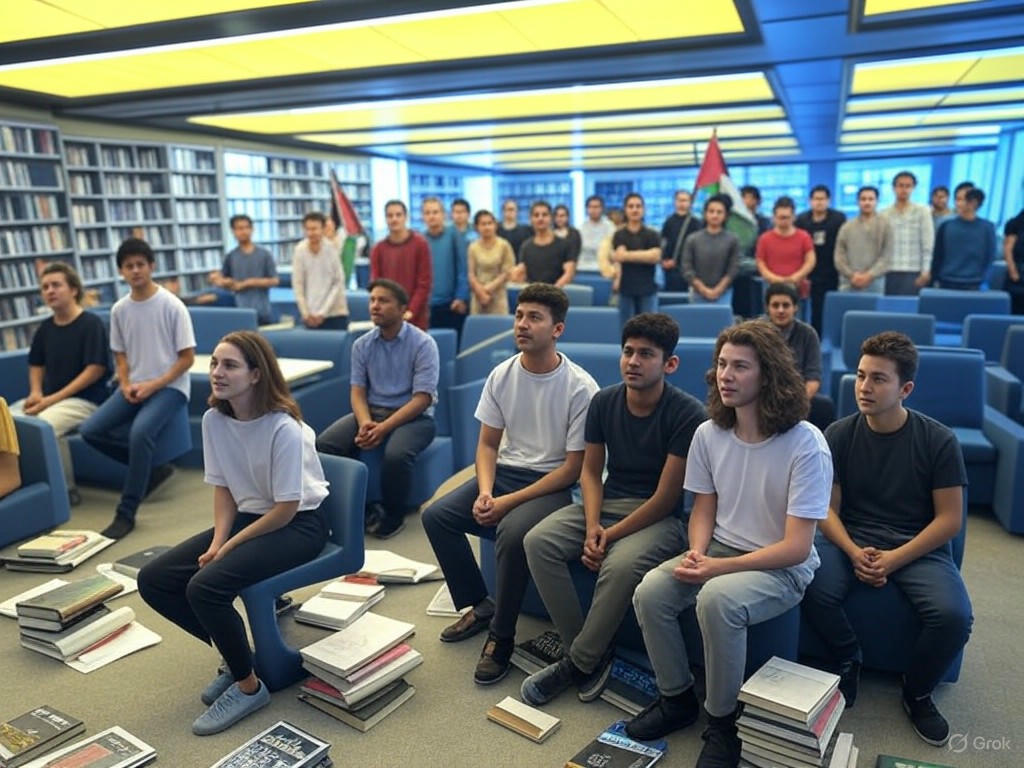
The Columbia University protests have once again thrust this iconic New York campus into the national spotlight, as tensions over the Israel-Hamas conflict boiled over. On May 8, 2025, a group of masked demonstrators occupied Butler Library, draping Palestinian flags across bookshelves and clashing with security, which led to injuries for two officers and the arrest of at least 21 people. This incident not only highlights the intensity of current Columbia University protests but also raises questions about safety, free speech, and the long-standing tradition of activism at one of America’s premier institutions.
The Unfolding of Columbia University Protests at Butler Library
Initial Occupation and Security Clashes
Picture a quiet afternoon in Butler Library, a hub of academic pursuit, suddenly disrupted by chants and banners—that’s how the Columbia University protests began on that fateful day. Demonstrators, driven by Columbia University protests against global conflicts, entered the main reading room and refused to leave, escalating a peaceful gathering into a standoff. Campus security faced a surge of supporters trying to join, resulting in injuries to two officers amid the chaos.
This event wasn’t just about occupation; it symbolized deeper frustrations among students. Have you ever felt compelled to stand up for a cause, even if it means stepping outside the norm? For these protesters, it was about making their voices heard. Key moments included protesters masking up for anonymity, hanging flags on shelves, and creating a bottleneck that raised immediate safety alarms.
- Protesters in masks took over the library’s main reading room, turning it into a symbolic space of resistance.
- Palestinian banners added a visual punch, drawing attention to international issues right in the heart of academia.
- The growing crowd outside amplified risks, leading to the injuries that shifted the tone from demonstration to crisis.
Police Involvement and the Aftermath of Columbia University Protests
As the situation spiraled, Columbia’s acting president, Claire Shipman, called in the NYPD to restore order, marking a pivotal turn in these Columbia University protests. Officers arrived swiftly, securing the building and removing at least 21 individuals in flex cuffs, all while navigating a mix of students and outsiders. This intervention underscores the fine line between protest and public safety—how do we protect free expression without endangering lives?
Think about it: in a city like New York, where activism is woven into the fabric, events like this can ripple far beyond campus. The university pointed to non-affiliated participants as a major concern, emphasizing that while voices matter, so does maintaining a secure environment for everyone.
- NYPD stepped in at the university’s request, prioritizing the safety of the community.
- Arrests were made peacefully, though accounts vary on what followed for those detained.
- Officials highlighted the risks posed by outsiders, prompting a broader discussion on campus access during protests.
Official Reactions to the Columbia University Protests
University Administration’s Stance
Columbia University protests drew sharp responses from leadership, with Acting President Shipman labeling the actions as “outrageous” in her public statement. She stressed the need to safeguard the campus community, balancing the right to protest with the imperative of order. It’s a tough call: How can universities foster debate without letting things escalate?
From my perspective, as someone who’s followed student movements, this response echoes past efforts to maintain decorum while respecting dissent. Administrators reiterated support for peaceful activism, but drew a clear line at disruptions that threaten safety.
- Shipman’s comments focused on the “outrageous” behavior, aiming to deter future escalations.
- The university emphasized community protection as a top priority.
- They affirmed that lawful protest is encouraged, but lawlessness isn’t tolerated.
Broader Community and City Responses
Mayor Eric Adams added his voice to the Columbia University protests, underscoring New York’s commitment to peaceful demonstrations while cracking down on unlawful activities. He specifically addressed concerns from Jewish students, assuring them of their security and promising arrests for non-students involved. This highlights a key challenge: ensuring all groups feel safe amid heated debates.
Imagine walking through a campus where tensions are high—it’s not just about the moment, but the lasting impact on inclusivity. Adams’ approach offers a blueprint for handling such situations, blending support for free speech with firm boundaries.
- The mayor backed peaceful protests but condemned any crossing into illegality.
- He prioritized the safety of vulnerable groups, like Jewish students.
- Warnings were issued for outsiders, reinforcing campus-specific rules.
Historical Roots of Student Activism in Columbia University Protests
Echoes from 1968 and 1985
The Columbia University protests of 2025 aren’t isolated; they echo the fiery activism of 1968, when students occupied buildings to protest the Vietnam War and university ties to military research. Those events, much like today’s, ended with police intervention and sparked real change, including policy reforms that reshaped campus governance. It’s fascinating how history repeats, isn’t it? What drives students to take such bold steps remains a timeless question.
Back then, demands for ending expansion into Harlem and cutting research ties led to suspensions and a national reckoning. Fast forward to 1985, and you see a similar spirit in the blockade of Hamilton Hall against apartheid in South Africa, which ultimately succeeded in divestment. These milestones show how Columbia University protests can lead to lasting impact, offering lessons for today’s activists.
- The 1968 protests involved sit-ins and occupations, forcing university policy shifts.
- Students targeted military affiliations and local expansion, mirroring modern calls for accountability.
- Outcomes included reforms that influenced how Columbia handles activism today.
The 1985 movement lasted three weeks, with students fasting and blockading to demand divestment from companies supporting apartheid. Their victory was a first for U.S. universities, proving that persistent, organized protest can drive change. If you’re passionate about social issues, this history might inspire you to get involved thoughtfully.
- The blockade marked a successful campaign, leading to Columbia’s divestiture.
- Activists focused on ethical investments, a tactic still used in contemporary protests.
- It set a precedent for future movements, including those around global conflicts today.
Media Narratives and Wider Implications of Columbia University Protests
Varying Perspectives on the Events
Media coverage of Columbia University protests has been a mixed bag, with some reports zeroing in on property damage and controversial displays, while others highlight the human side, like students’ experiences in custody. Faculty have voiced criticisms over the lack of consultation before involving police, questioning if due process was followed. This disparity in storytelling reminds us that every event has multiple truths—how do we sift through them?
For instance, accounts of peaceful arrests contrast with claims of denied necessities for detainees, painting a complex picture. As someone interested in media literacy, it’s worth asking: What role do news outlets play in shaping public opinion on such issues?
- Peaceful arrest narratives clash with reports of mistreatment, adding layers to the story.
- Some media emphasized vandalism, while others focused on protesters’ rights.
- Faculty critiques highlight gaps in university governance during crises.
Effects on Campus Dynamics
These Columbia University protests have ignited debates on free speech limits and leadership responsibilities, with federal threats to cut $400 million in funding adding pressure. Universities are now reevaluating policies to balance safety and expression, potentially leading to new guidelines. If you’ve been on a campus during unrest, you know how it can transform daily life—suddenly, every conversation feels charged.
Actionable tip: For students, this means engaging in dialogue rather than escalation; universities might implement training on peaceful activism to prevent future conflicts. The ongoing fallout could reshape how institutions handle dissent nationwide.
- Protests have prompted policy tweaks and leadership changes.
- Federal funding threats underscore the broader stakes involved.
- Balancing assembly rights with safety is now a key focus for campuses.
The Road Ahead for Columbia University Protests and Activism
As Columbia navigates the aftermath of these protests, the future of student activism hangs in the balance. Drawing from 1968 and 1985, we see that such moments can forge positive change, but only if handled with care. What might the next chapter look like? Perhaps more inclusive forums for dialogue, ensuring every voice is heard without resorting to occupation.
To wrap up, if you’re passionate about these issues, consider joining organized discussions or advocating for change in your community. Remember, activism thrives when it’s thoughtful and respectful.
Quick Facts Table: Key Moments in Columbia University Protests
| Year | Main Issue | Protest Tactics | Outcome |
|---|---|---|---|
| 1968 | Vietnam War Ties | Building Occupations | Policy Reforms |
| 1985 | Apartheid Divestment | Blockades and Fasts | Successful Divestiture |
| 2025 | Israel-Hamas Conflict | Library Occupation | Arrests and Changes |
Conclusion
The Columbia University protests of 2025 serve as a stark reminder of the power and pitfalls of student activism. As we reflect on this event, let’s commit to fostering environments where dialogue prevails. What are your thoughts on balancing protest with safety? Share in the comments below, and feel free to explore more on our site or share this article with others who care about these issues.
References
1. “Police Remove Protestors from Columbia University Library,” Turnto10.com, accessed May 2025.
2. “2 Officers Hurt in Crowd Surge at Columbia University Library,” ABC News, ABCNews.go.com, May 8, 2025.
3. Columbia University Libraries on 1968 Student Engagement, Library.Columbia.edu, March 2018.
4. “Student Activism at Columbia University,” Wikipedia, en.wikipedia.org, last updated 2025.
5. Zinn Education Project on 1985 Blockade, ZinnedProject.org, 1985.
6. Time Magazine on Columbia Protests, Time.com, 2024.
7. Higher Ed Dive on Protests Comparison, HigherEdDive.com, 2024.
8. Maryland General Assembly Testimony, MGALeg.Maryland.gov, February 2024.
About the Author