Impossible Colors: Exploring Science Quiz on Renaissance Art
The Science Behind Impossible Colors: Pushing Perception Limits
Have you ever paused to consider colors that slip beyond our everyday sight, hues that science says shouldn’t exist? Impossible colors represent those fascinating anomalies, like reddish-green or yellowish-blue, which challenge the very foundations of how we see the world. These impossible colors emerge from the quirks of human vision, offering a glimpse into the mysteries of our eyes and brain.
According to research, these colors arise because our visual system isn’t designed to handle certain combinations simultaneously. By exploring impossible colors in the context of Renaissance art, we uncover how historical techniques mirrored these perceptual puzzles, blending science and creativity in unexpected ways.
Imagine trying to picture a color that’s both fiery red and leafy green at once—it’s like playing a visual trick on yourself. This phenomenon ties directly into artistic quizzes on perception, where Renaissance masters inadvertently toyed with similar ideas through their innovative use of light and shadow.
Decoding the Opponent Process Theory
The opponent process theory is key to understanding why impossible colors feel so elusive. It breaks down color perception into three channels: red versus green, blue versus yellow, and black versus white. This theory explains why we can’t easily see a blend like bluish-yellow, as our neurons fire in opposition rather than harmony.
Yet, with simple experiments, you might catch a fleeting view of these colors. For instance, stare at a bright red dot for a minute, then shift to a white wall—what do you see? This afterimage trick can briefly reveal an impossible color, linking back to how Renaissance artists manipulated light for dramatic effects.
If you’re curious, try this at home: Focus on one color until your eyes adjust, then switch. It’s a fun way to test your own perception and appreciate the science behind art history quizzes.
Delving into Chimerical Colors and Their Mysteries
Chimerical colors, often synonymous with impossible colors, are those fleeting hues that dance on the edge of reality. Think of Stygian Blue, a shade darker than black, or Hyperbolic Orange, which seems to outshine ordinary orange. These colors aren’t just theoretical; they invite us to question our senses in ways that echo Renaissance explorations.
Historically, artists like those in the Renaissance era pushed boundaries with color, much like modern experiments with impossible colors. By examining them, we see how perception quizzes in art history reveal deeper truths about vision.
Have you ever wondered what it would be like to see a color that defies description? That’s the allure of chimerical shades, bridging the gap between science and the masterpieces of old.
Techniques to Witness Impossible Colors
Experiencing impossible colors is easier than you might think, thanks to afterimages and optical fatigue. For example, gaze at a green light for about 30 seconds, then look at a neutral background—you could see a reddish tint, hinting at an impossible color like reddish-green. This method not only demonstrates the theory but also connects to how Renaissance painters used layering for perceptual depth.
Another example is Vantablack, a material so dark it absorbs nearly all light, creating a void-like effect. As a tip, if you’re into photography or art, experiment with lighting to mimic these effects and enhance your creative projects.
Why not turn this into a personal quiz: Try these techniques and note how they alter your view, much like how Michelangelo might have played with light in his frescoes.
Renaissance Art as a Gateway to Color Innovation
Renaissance art didn’t just beautify churches and palaces; it revolutionized how we think about impossible colors through techniques that blurred reality. Artists began moving away from symbolic colors to more naturalistic ones, sparking a quiz on perception that still fascinates today.
Early works used egg tempera for detail, but this medium limited brightness. Fast forward to figures like Michelangelo, and you see vibrant frescoes that almost evoke impossible colors with their intensity.
Consider this: How did these artists create such lifelike scenes without modern tools? Their methods offer lessons for anyone interested in visual arts today.
Evolution of Color in Renaissance Masterpieces
In the medieval period, colors symbolized status, with gold denoting divinity. The Renaissance shifted this, emphasizing realism and what we now link to impossible colors through advanced blending.
Artists like Botticelli used color to convey emotion, turning canvases into perceptual quizzes. This evolution highlights how innovation builds on what’s deemed impossible.
If you’re an aspiring artist, study these shifts—they can inspire your own experiments with color perception.
Michelangelo’s Bold Color Techniques
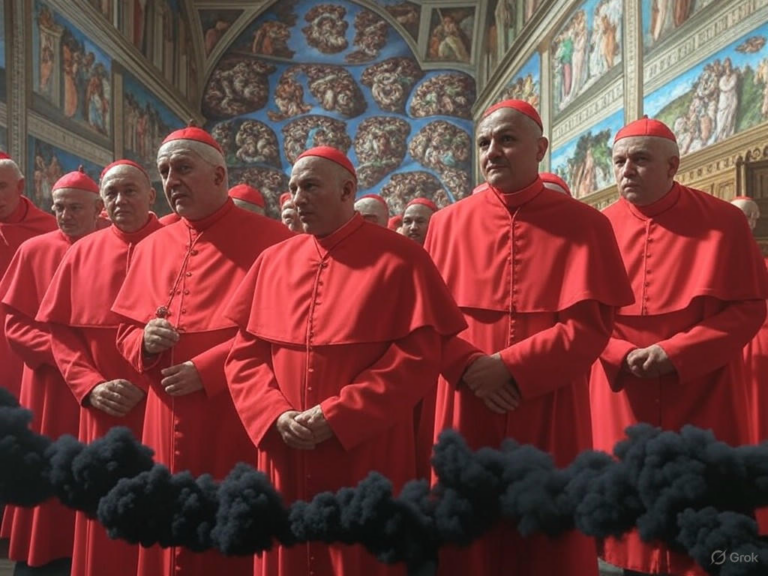
Michelangelo’s Sistine Chapel ceiling is a prime example of color mastery, where fresco techniques brought out hues that feel almost otherworldly, akin to impossible colors. He painted on wet plaster for permanence and vibrancy, challenging visual norms much like optical science does today.
This approach allowed for brighter images that pop with life, making viewers question what they see. It’s a reminder that art can be a form of perceptual quiz, pushing boundaries just as scientists do.
Actionable advice: Visit a museum or view high-res images online to spot these techniques—it’s a great way to deepen your appreciation for color’s power.
Sfumato: Blending the Impossible in Art
Sfumato, Leonardo da Vinci’s signature technique, creates soft transitions that mimic the haze of smoke, linking directly to the enigma of impossible colors. This method makes colors fade into one another, tricking the eye in ways that feel almost magical.
In the Mona Lisa, sfumato adds mystery and depth, turning a portrait into a visual quiz on perception. It’s fascinating how this echoes the opponent process, where colors blend in defiance of rules.
Try incorporating sfumato-like blending in your sketches—it’s a simple way to experiment with impossible colors concepts in your art.
Where Art and Science Converge in Color Perception
The Renaissance wasn’t just about beauty; it was a laboratory for color perception, much like studies on impossible colors today. Techniques like linear perspective created illusions of depth, blending art with emerging optical science.
Modern digital tools, such as augmented reality, let us revisit these innovations. For instance, apps can layer historical insights onto artworks, making it feel like you’re solving a perceptual quiz in real time.
This intersection shows that impossible colors aren’t just abstract—they’re part of a ongoing dialogue between creativity and research.
Digital Tools Reviving Renaissance Wonders
Today, technology bridges the gap, allowing us to explore impossible colors through interactive exhibits. Imagine using AR to see how sfumato was applied, turning a static painting into a dynamic perceptual experience.
These tools engage visitors more deeply, much like Renaissance artists did with their audiences. If you’re planning a museum visit, look for these features—they can transform your outing into an educational adventure.
Here’s a tip: Download an AR app before your next art outing to uncover hidden layers and appreciate the science behind the strokes.
Challenging Norms: The Kolmogorov Option in Visual Arts
The “Kolmogorov option” draws from mathematics to question assumptions, much like how impossible colors question vision. It parallels Renaissance artists who disrupted color conventions, creating new frameworks for perception.
Just as Kolmogorov redefined probability, artists like da Vinci redefined color, turning art into a quiz on innovation. This mindset encourages us to challenge our own creative limits.
What if you applied this to your work—could it lead to your own “impossible” breakthroughs?
Crafting Identity Through Creative Intersections
Exploring impossible colors highlights how professionals in creative fields build identities at the crossroads of disciplines, similar to Renaissance polymaths. Researcher Sarabeth Berk notes this as intersectionality, where diverse interests form something entirely new.
It’s like creating a hybrid that’s more than the sum of its parts, akin to perceiving an impossible color. This approach can help you define your unique path in art or science.
Anecdote: Think of Magritte’s surreal works, blending reality and fantasy—it’s a perceptual quiz that inspires innovation today.
Final Thoughts: The Ever-Expanding World of Perception
From Renaissance breakthroughs to the intrigue of impossible colors, we’ve seen how art and science continually expand our understanding. These elements remind us that what’s deemed impossible today might just be tomorrow’s norm.
As you reflect on this journey, consider how it applies to your own experiences—perhaps in a hobby or career. What are your thoughts on these perceptual puzzles? Share in the comments, explore more on our site, or try an experiment to see impossible colors for yourself.
References
- Impossible Color – Wikipedia
- How Impossible Colors Work – HowStuffWorks
- Renaissance Art and Humanist Concerns – Student Centered World
- How to See Impossible Colours – Everything is Amazing Substack
- Sfumato – Britannica
- More Than Your Title – The Futur
- The Kolmogorov Option – Shtetl-Optimized Blog
- Making Destinations Stand Out – My Smart Journey
impossible colors, chimerical colors, Renaissance art techniques, opponent color theory, Stygian Blue, visual perception, Michelangelo, sfumato, color innovation, art and science intersection
About the Author