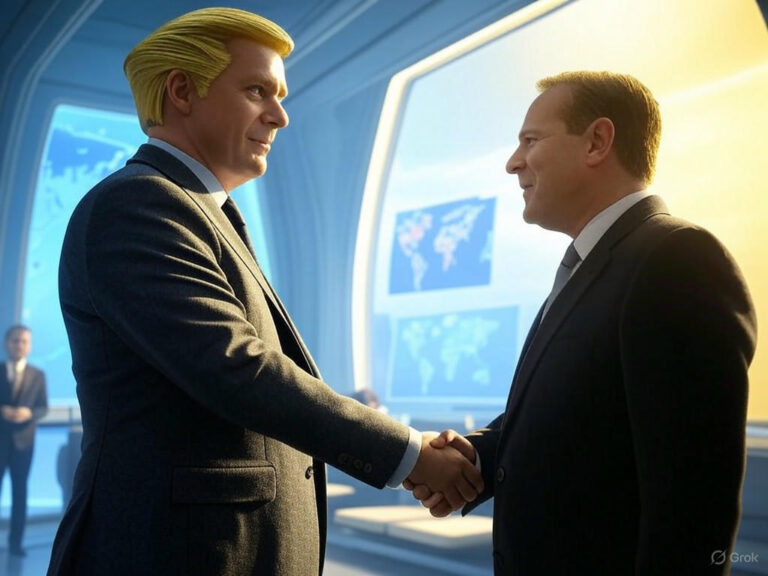

Jon Voight Confirms Movie Tariffs Suggestion to Trump
Introduction
Renowned actor Jon Voight has stepped into the spotlight again, openly discussing his advice to former President Donald Trump on movie tariffs. This move highlights the ongoing clash between Hollywood’s global influence and political strategies aimed at protecting domestic industries. Let’s explore how this suggestion could shake up the entertainment world and what it means for creators and audiences alike.
Unpacking Movie Tariffs: The Basics and Beyond
Movie tariffs are essentially taxes levied on imported films, designed to shield local production from foreign competition. Imagine a scenario where American audiences pay more for blockbuster hits from overseas, all to bolster homegrown storytelling. This concept isn’t new, but it’s gaining traction in trade talks, especially with powerhouses like China dominating international box offices.
As governments worldwide seek to balance trade, these tariffs could raise costs for foreign films entering the U.S., potentially encouraging more investment in domestic projects. But what’s the real impact? Tariffs often serve as tools in broader negotiations, though they risk sparking retaliatory measures that complicate global film distribution.
Jon Voight’s Role in the Movie Tariffs Debate
Jon Voight, a vocal Trump supporter and Hollywood veteran, recently confirmed he pitched the idea of movie tariffs directly to the former president. This revelation stems from a private conversation, positioning Voight as a bridge between Tinseltown and Washington. Have you ever wondered how celebrity opinions sway policy? In this case, it’s turning heads and fueling conversations about fairness in the arts.
Voight’s Take on Movie Tariffs and Industry Balance
From Voight’s perspective, movie tariffs could correct an uneven playing field where foreign markets limit American films while freely accessing U.S. audiences. He sees this as a way to protect cultural exports and ensure Hollywood’s voice remains strong globally. It’s a relatable argument—think of it like safeguarding local farmers against imported goods, but for stories and scripts.
This approach might resonate with those frustrated by trade imbalances, yet it raises questions about creativity’s cost. Could implementing such tariffs lead to richer domestic tales, or stifle the diverse narratives we love?
Trump’s Approach to Hollywood and Movie Tariffs
During his time in office, Trump championed tariffs on various imports to defend American jobs, and movie tariffs align with that philosophy. Extending this to the entertainment sector could mean prioritizing U.S.-made films over international ones, potentially boosting local economies. For instance, his administration’s tariffs on steel and aluminum showed how these tools can influence industries far beyond manufacturing.
Hollywood, with its massive global reach, stands to feel the ripple effects. Studios might see a surge in domestic funding, but at what price? Picture filmmakers adapting strategies, perhaps focusing more on home audiences to mitigate risks.
Hollywood’s Mixed Views on Movie Tariffs
The entertainment industry is buzzing with reactions to Voight’s suggestion, with some insiders applauding it as a step toward equity. Supporters argue that movie tariffs could funnel more resources to American talent, making it easier for indie creators to thrive. On the flip side, critics fear it might ignite trade wars, limiting access to international markets and hindering collaboration.
Independent filmmakers, who often depend on global partnerships, could face tough hurdles. What if a promising co-production with European studios falls apart due to added costs? Here’s a quick tip: Stay informed on policy changes by following industry news—it’s a smart move for anyone in creative fields.
Key Concerns: Weighing the Pros and Cons of Movie Tariffs
Experts are highlighting both sides in this debate. For benefits, movie tariffs might increase revenue for U.S. films by curbing foreign dominance, encouraging more local investment. However, drawbacks include higher ticket prices for viewers and potential retaliation from abroad.
| Potential Benefit | Potential Drawback |
|---|---|
| Boosts domestic film funding and jobs | Raises costs for audiences, reducing film variety |
| Addresses trade inequalities in entertainment | Triggers international disputes and less collaboration |
| Supports emerging American storytellers | May lead to a drop in global box office earnings |
Global Ripples of Introducing Movie Tariffs
Imposing movie tariffs wouldn’t stay contained to the U.S.—it could reshape international film trade overnight. Many Hollywood hits rely on overseas markets, like China, for a big chunk of profits, so disruptions might force studios to rethink their strategies. Consider a hypothetical: If Europe retaliates with their own tariffs, could we see fewer cross-border hits like ‘Inception’?
The Current Landscape of Global Film and Movie Tariffs
Historically, American films have enjoyed relatively open access abroad, but movie tariffs could change that by heightening existing restrictions. Countries might respond by limiting U.S. content, leading to a more isolated industry. This fragmentation could mean less diverse stories for viewers, as studios play it safe with domestic themes.
Economic Effects on the U.S. Film Sector from Movie Tariffs
While movie tariffs might initially seem like a win for American filmmakers by reducing competition, the reality is more complex. Hollywood’s success often hinges on international co-productions and funding, so tariffs could drive up costs and limit opportunities. For example, a film relying on foreign investment might struggle, potentially leading to smaller budgets or canceled projects.
This shift could prompt studios to innovate, perhaps by exploring digital platforms more aggressively. If you’re an aspiring filmmaker, think about diversifying your portfolio—focusing on stories with universal appeal might help navigate these changes.
Future Outlook: Navigating Policy Shifts and Movie Tariffs Adaptations
As movie tariffs enter the policy spotlight, the industry is gearing up for change through lobbying and strategic shifts. Policymakers will need to balance economic goals with creative freedoms, possibly revising trade agreements. What are your thoughts—could this be a turning point for more resilient filmmaking?
Industry Strategies in Response to Movie Tariffs
Studios might counter these challenges by strengthening lobbying efforts or pivoting to streaming services for broader reach. Here’s some actionable advice: Track emerging trends and consider partnerships that bypass traditional barriers, like collaborating with digital-first creators.
Wrapping Up the Discussion
Jon Voight’s confirmation of his movie tariffs suggestion to Trump has ignited a crucial dialogue about protecting Hollywood while fostering global connections. On one hand, it could empower domestic stories; on the other, it risks isolating the industry from vital international influences.
As we move forward, keeping an eye on these developments is key for anyone passionate about film. What do you think about movie tariffs? Share your views in the comments, spread this article to spark more conversations, or check out our related posts on entertainment policy.
References
- Annual Report of the Town of Sudbury. (1970). Retrieved from Sudbury Town Website.
- American Mathematical Society. (2025). Notices of the AMS. Retrieved from AMS Journals.
- OAPEN Library. (n.d.). External Content. Retrieved from OAPEN.
- Brill Publishers. (n.d.). Display Title. Retrieved from Brill.
- Bar Objects. (n.d.). Milk Pitcher Rinser with Drain Board. Retrieved from Bar Objects.
- Wind Watch. (n.d.). Author Documents. Retrieved from Wind Watch.
- SNAP Project. (n.d.). Project 12206725. Retrieved from SNAP Berkeley.
About the Author