Trump Denies AI-Generated Image of Himself as Pope
Meta Description
Former President Donald Trump rejects viral AI-generated image depicting him as the Pope, fueling debate on deepfakes and misinformation online.
The Spread of Viral Deepfakes: Unpacking the Trump Image
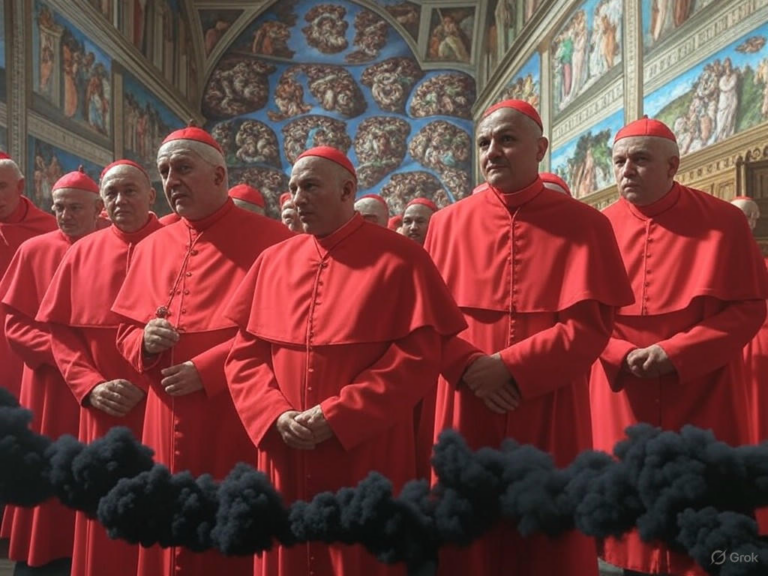
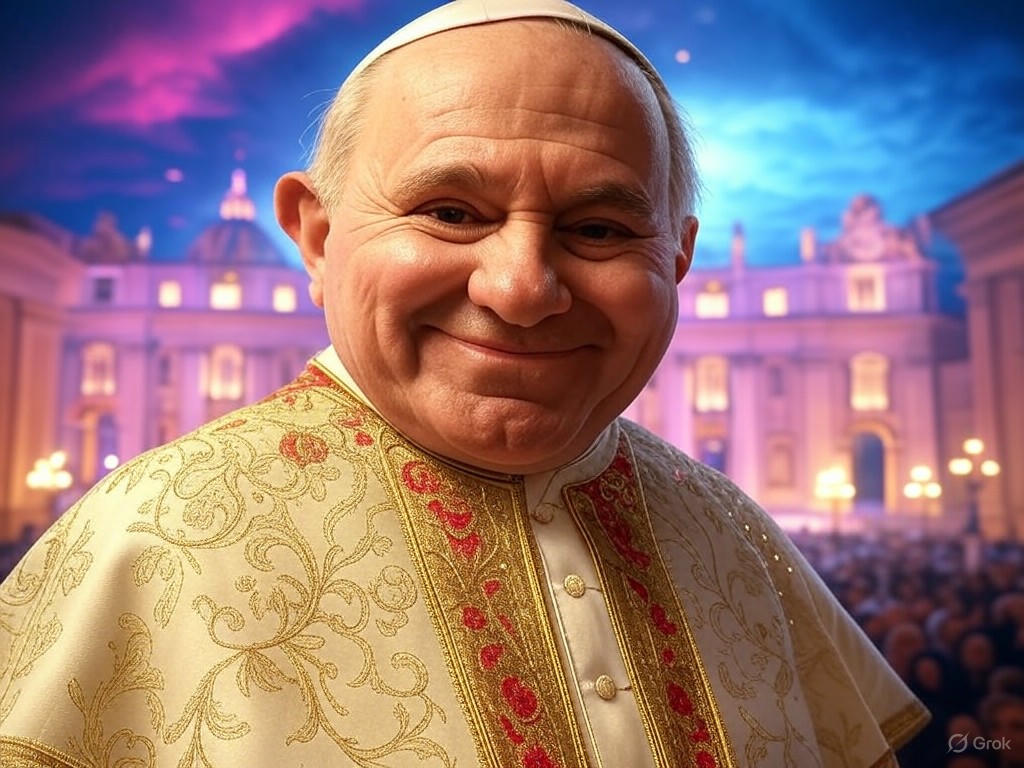
In today’s digital landscape, where deepfakes can blur the lines between reality and fabrication, a bizarre image of former President Donald Trump went viral. It showed him in papal robes, standing amid the Vatican’s grandeur, as if bestowing a blessing to a crowd. At first glance, it seemed plausible to many, sparking rapid shares across social platforms and raising immediate questions about what’s real versus what’s engineered.
This incident isn’t isolated; it’s a prime example of how deepfakes—synthetic media created using AI—can deceive at scale. The image circulated for days before experts confirmed its artificial origins, highlighting the ease with which these tools can mimic high-fidelity photos. Think about it: in just seconds, anyone with access to AI generators can craft something so convincing that it fools even seasoned observers.
- AI’s role in generating such content often starts with vast datasets of images, allowing systems to blend faces, settings, and attire seamlessly.
- The Trump image, for instance, likely combined his recognizable features with traditional papal elements, making it a hot topic of discussion.
- Have you ever wondered how a simple prompt can turn a public figure into an unlikely icon? That’s the power—and peril—of advancing technology.
Trump’s Quick Denial: Setting the Record Straight
Donald Trump wasted no time in addressing the uproar. He took to his social media channels to label the image as outright “fake news,” stressing that he’d never donned papal attire in any context. His response was sharp and direct, aiming to quash the confusion before it escalated further. In a world where misinformation spreads like wildfire, his denial served as a reminder for everyone to pause and verify before reacting.
This event underscores the broader challenge of deepfakes in public life, where a single altered image can twist narratives and fuel controversy. Trump’s team echoed his sentiments, encouraging followers to cross-check sources and rely on credible outlets. It’s a practical lesson: in the age of instant sharing, a little skepticism can go a long way.
Imagine if this happened to you—a doctored photo going viral overnight. How would you respond? Trump’s approach shows the importance of swift, authoritative rebuttals to maintain personal and public integrity.
The Dual Edge of AI: Power and Risks in Deepfake Creation
At the heart of this story is the remarkable yet risky evolution of AI-driven content. Tools like Midjourney or DALL·E can produce hyper-realistic visuals in minutes, but incidents like the Trump-Pope image reveal the downsides. Deepfakes aren’t just tech tricks; they’re potent tools that can sway opinions and erode trust.
From hyper-realism that rivals professional photography to the potential for widespread deception, AI’s capabilities are both awe-inspiring and alarming. For instance, these systems learn from millions of real images, allowing them to fabricate scenes that feel authentic at first glance. But what happens when that realism is misused?
How Deepfakes Are Crafted Behind the Scenes
Creating a deepfake involves sophisticated machine learning, where algorithms analyze patterns from endless photo libraries. In the case of the Trump image, AI probably merged his face with historical papal imagery, resulting in a seamless composite. Experts point out that this process can take mere minutes, yet the fallout can last much longer.
It’s fascinating—and a bit unnerving—how accessible these tools have become. If you’re curious, try experimenting with a free AI generator, but always remember the ethical implications. This technology opens doors for creativity, like in art or education, but it also poses risks when applied without oversight.
Social Media Frenzy: Reactions to the Deepfake Debacle
The Trump-Pope image ignited a storm of reactions online, with users oscillating between amusement and alarm. Confusion reigned as people debated its authenticity, leading to a mix of memes, parodies, and serious discussions. Platforms like X (formerly Twitter) and TikTok became battlegrounds for fact vs. fiction.
Some turned it into light-hearted fun, crafting their own versions, while others expressed genuine concern about the implications of deepfakes. Fact-checkers from organizations like Snopes and Reuters swooped in quickly, debunking the image and advising caution. This episode raises an important question: How do we navigate a space where viral content can blur the truth so effortlessly?
- Many users initially shared it without a second thought, only to retract later.
- The surge in parodies highlighted AI’s creative potential, but also its capacity for misinformation.
- Tips for staying informed? Follow reliable fact-checking accounts—they’re your first line of defense against deepfakes.
Dangers of Deepfake Misinformation in the Wild
Events like this one spotlight the darker side of AI, where deepfakes can manipulate politics, damage reputations, and undermine societal trust. In Trump’s case, the image could have been leveraged to mock or misrepresent him, showing how easily these fakes can infiltrate public discourse. The real threat lies in their potential to influence elections or incite unrest.
Beyond individual incidents, the proliferation of deepfakes erodes our collective faith in digital media. Social platforms struggle to keep up, often failing to detect manipulated content before it spreads. What can you do to protect yourself? Start by building habits that prioritize verification over virality.
Spotting Deepfakes: Practical Strategies for Everyday Users
If you’re looking to identify deepfakes, pay attention to subtle clues like unnatural lighting or mismatched facial features. Tools like reverse image searches on Google can trace an image’s origins, while apps from organizations like the BBC or Google offer advanced detection features. It’s empowering to know that with a few simple steps, you can become more discerning about what you see online.
- Check for digital artifacts, such as blurry edges or inconsistent shadows.
- Rely on trusted sources—don’t just accept something because it looks real.
- Actionable advice: Make it a routine to verify sensational images before sharing them with your network.
Wider Repercussions: AI, Deepfakes, and Eroding Public Trust
This Trump-related deepfake is just one piece of a larger puzzle, as AI-generated misinformation continues to grow. Reports from organizations like NewsGuard indicate that hundreds of AI-powered news sites are pumping out unreliable content, often without human fact-checking. In a survey by Pew Research, a majority of respondents expressed concerns about the impact on democracy, emphasizing how deepfakes can distort reality.
We’ve seen similar cases, like fabricated videos of celebrities or politicians, which amplify distrust. But it’s not all doom and gloom—there’s hope in education and innovation. For example, initiatives from tech giants are developing AI tools specifically to counter these threats.
Steps to Combat Deepfake Challenges
Tackling deepfakes requires a team effort, from individuals to policymakers. Public awareness campaigns can teach people how to spot fakes, while companies invest in detection software. Regulations, such as those proposed by the EU, aim to hold creators accountable, ensuring that AI isn’t used solely for deception.
- Start with personal actions: Educate yourself and your family on verification techniques.
- Support policies that mandate labeling AI-generated content.
- Advocacy for ethical AI development could be your next step—consider joining online discussions or signing petitions.
Looking Ahead: The Evolving Landscape of AI and Deepfakes
As AI technology races forward, the challenge of distinguishing deepfakes from genuine content intensifies. While innovations bring exciting possibilities—like personalized education or medical simulations—the misuse, as seen in the Trump case, serves as a wake-up call. We’re at a crossroads where balancing innovation with integrity is crucial for a healthier digital world.
Picture a future where every image comes with a built-in authenticity stamp. That’s not far-fetched, but it demands ongoing vigilance from all of us. By staying informed and critical, we can help shape a more trustworthy online environment.
Key Takeaways from the Trump Deepfake Incident
In wrapping up, the AI-generated image of Trump as the Pope highlights the urgent need to address deepfakes and misinformation in our daily lives. It’s a stark reminder that technology’s benefits come with responsibilities, from verifying sources to demanding better safeguards. As we move forward, let’s commit to fostering transparency and truth in the digital age—after all, a well-informed public is our best defense.
If this story has sparked your interest, I encourage you to share your thoughts in the comments below. What steps do you take to verify online content? Explore more on our site for tips on navigating the AI era, and don’t forget to subscribe for updates on emerging tech trends.
Frequently Asked Questions
- Was the Trump-Pope image authentic? Absolutely not—it’s a classic example of a deepfake, created using AI without any basis in reality.
- How do I check for potential deepfakes? Try tools like reverse image search or fact-checking sites, and look for visual inconsistencies to build your skills.
- Why should I care about deepfakes? They can mislead public opinion and erode trust, so staying vigilant helps protect our shared information ecosystem.
References
- YouTube video on AI ethics: Deepfake Technology Explained, accessed for insights on AI manipulation.
- Article on SEO and AI blogging: Using AI for SEO Blogs: Proceed with Caution, for context on responsible AI use.
- GitHub repository: ML News of the Week, referencing machine learning advancements.
- Resource on writing and editing: Writers and Editors Guide, for tips on crafting authoritative content.
- PDF document: Library of Congress Archive, providing historical context on digital media.
About the Author