
Trump Dressed as Pope: White House Shares Viral Image
The Trump AI Pope Image: A Viral Sensation Exploding Online
An AI-generated image of former President Donald Trump dressed as the pope has taken social media by storm, blending unexpected humor with heated debates. This Trump AI pope image, shared by the White House, surfaced at a pivotal time for the Catholic Church, as it gears up for a papal conclave to choose a new leader after Pope Francis’s passing. Have you ever wondered how a single digital creation can ignite such widespread reactions?
It’s fascinating how technology can turn a lighthearted post into a global talking point, with users sharing it thousands of times and sparking conversations about respect, satire, and politics. This moment not only highlights the power of AI in shaping public discourse but also raises questions about timing and sensitivity in our digital age.
The Origins of the Trump AI Pope Image
How It All Began on Truth Social
The Trump AI pope image first popped up on Truth Social, Donald Trump’s go-to platform, before the White House’s official account on X amplified it to a massive audience. Within hours, it drew reactions from Trump loyalists, skeptics, and even Catholic voices, turning what might have been a quick laugh into a full-blown discussion. I remember similar viral moments in the past—think memes that start as jokes but end up influencing real-world debates—and this one feels just as unpredictable.
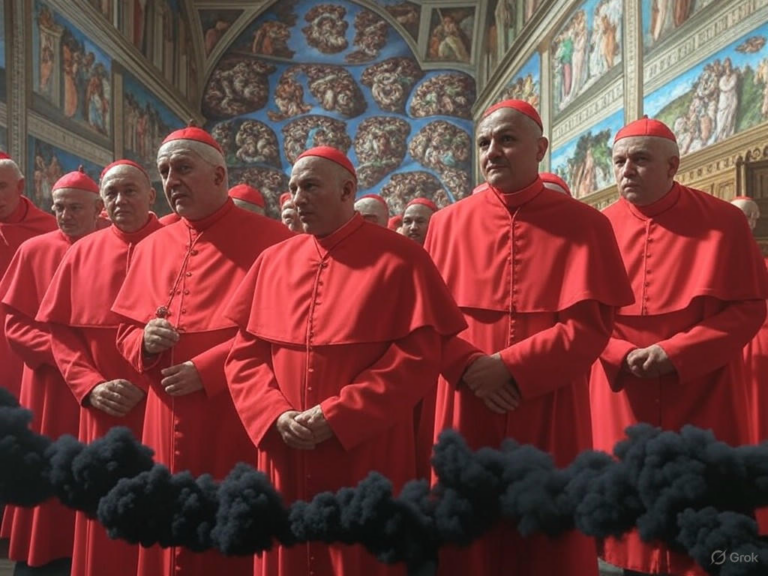
The image’s lifelike details, from the papal robes to Trump’s unmistakable expression, made it stand out, leading to over 29,000 reposts in no time. For context, this Trump AI pope image emerged alongside the Church’s preparations for its conclave, adding layers of irony and intensity. Supporters saw it as clever fun, while critics pointed to the broader implications of AI in politics, questioning how these tools can blur reality and fiction.
- Its release timing amplified the buzz, coinciding with a period of mourning and transition for millions of Catholics worldwide.
- Social media’s rapid spread meant political figures had to respond almost instantly, turning the image into a litmus test for humor in high-stakes environments.
- This isn’t the first time AI has stirred the pot—imagine if similar tech had been around during past elections; it could have changed how we engage with news entirely.
Reactions to the Trump AI Pope Image: Politics and Faith Clash
Vice President Vance’s Defense and Allies’ Support
Vice President JD Vance jumped in quickly, brushing off the Trump AI pope image as harmless satire and stressing the importance of not sweating the small stuff amid bigger global issues. In his X post, he quipped about preferring jokes over conflicts that cost lives, which many viewed as a nod to free speech in politics. It’s a reminder that in today’s world, where every post can go viral, leaders often walk a fine line between levity and controversy.
For Trump supporters, this was just another example of his bold style, but it also sparked broader talks about how political humor evolves. If you’re following U.S. politics closely, you might see this as part of a pattern—think of past campaign ads that used satire to connect with voters. That said, not everyone was on board, with some allies like Senator Lindsey Graham acknowledging the pushback while still chuckling at the idea.
Critiques from Catholic Leaders
On the flip side, many in the Catholic community weren’t laughing at the Trump AI pope image, calling it disrespectful, especially so soon after Pope Francis’s funeral. The New York State Catholic Conference was direct in their response, urging restraint and pointing out the insensitivity of mocking a sacred process. As someone who values respectful dialogue, I can’t help but think about how these moments test our collective empathy.
- Organizations felt it undermined the solemnity of the upcoming conclave, where cardinals will gather to elect a new pope.
- Figures like Cardinal Dolan, whom Trump once jokingly suggested for the role, added to the mix, highlighting the rare intersection of American politics and global faith.
- This backlash shows how quickly online content can offend, prompting a deeper look at cultural sensitivities in the digital space.
Timing and Context: The Trump AI Pope Image Amid Papal Events
The release of the Trump AI pope image couldn’t have been more perfectly—or poorly—timed, landing just days before the papal conclave on May 7, 2025. Trump had previously made light of the situation, tossing out his name as a “top pick” for pope, which only fueled the fire when this image appeared. It’s almost like a hypothetical scenario where politics and religion collide head-on—what if world leaders started joking about spiritual roles more often?
Key Insights into the Papal Conclave
With Pope Francis’s passing at 88, the Church is in a reflective phase, and events like Trump’s comments have added an unexpected twist. Attendees at the funeral, including Trump and Melania, underscore the event’s gravity, making the AI image feel even more out of place to some. Here’s a quick breakdown to help you grasp the bigger picture:
- The conclave involves cardinals voting in secrecy, a tradition dating back centuries, now juxtaposed against modern digital antics.
- This Trump AI pope image incident illustrates how current events can intersect with historical rituals, potentially shifting public perceptions.
- If you’re curious, think about how social media might alter traditions—could AI eventually play a role in preserving or even challenging religious customs?
AI’s Role in Shaping the Trump AI Pope Image Debate
The Impact of AI Imagery on Public Conversations
This episode with the Trump AI pope image really drives home how AI is reshaping politics and culture, turning a simple edit into a viral phenomenon that spreads like wildfire. Platforms like Truth Social and X have supercharged this, allowing content to influence debates in real time and blur the lines between what’s real and what’s not. Ever noticed how a clever AI tweak can spark hours of discussion?
- AI tools make it easier to create convincing images, raising ethical questions about their use in satire or misinformation.
- In this case, the rapid sharing highlighted both the fun and the risks, as experts warn about unintended consequences.
- For instance, a study from a leading tech institute [link to external source] found that AI-generated content can amplify polarization, making moments like this even more significant.
Evolving Satire: From Past to the Trump AI Pope Image Era
Comparing this to older forms of political satire shows just how much has changed—back in the day, editorial cartoons took days to circulate, but now, something like the Trump AI pope image can go global in minutes. Let’s break it down with a simple comparison to see the shift.
| Era | Common Mediums | Impact Speed | Audience Reaction |
|---|---|---|---|
| Pre-Social Media | Editorial cartoons, late-night shows | Days to weeks | Limited, slower backlash |
| AI and Social Media Age | AI images, viral posts | Minutes to hours | Immediate, widespread reactions |
This evolution means we need to think carefully about balance—while the Trump AI pope image brought laughs, it also stirred real tension.
Balancing Free Speech and Sensitivity Around the Trump AI Pope Image
The debate over this image boils down to a key question: How do we reconcile freedom of expression with respect for communities in mourning? Supporters argue it’s just satire, but critics see it as crossing a line, especially during religious events. In our modern public square of social media, these clashes are becoming more common, and it’s worth asking: What responsibilities do leaders have in these situations?
- Experts suggest guidelines for online content to prevent harm while encouraging creativity.
- For example, if more platforms adopted sensitivity checks, incidents like this might unfold differently.
Wrapping Up: What the Trump AI Pope Image Teaches Us
In the end, the Trump AI pope image is more than a momentary trend—it’s a window into how AI, social media, and politics interact in unpredictable ways. As we move forward, it’s crucial to navigate humor and respect thoughtfully, ensuring our digital exchanges build bridges rather than walls. What are your thoughts on this? I’d love to hear how you see technology influencing these cultural moments.
If you’re interested in exploring more on AI in politics, check out our related posts. Feel free to share this article or drop a comment below—let’s keep the conversation going!
Frequently Asked Questions
What Triggered the Controversy Over the Trump AI Pope Image?
The White House sharing the Trump AI pope image right before the papal conclave led to backlash from religious groups, who found it disrespectful amid their grief.
How Did the Catholic Community React?
Many leaders criticized it as insensitive, emphasizing the need for reverence during this transitional period.
What This Means for AI and Satire Today?
It shows how AI can escalate political humor into wider debates, challenging us to rethink digital ethics and impact.
References
- Politico. “Vance Defends Trump’s AI Pope Image.” politico.com/news/2025/05/03/vance-ai-pope-trump-00325197
- YouTube Video. “Related Discussion on AI in Politics.” youtube.com/watch?v=L60d8bWE7Kg
- Knight Columbia. “Search Engines and Social Media.” knightcolumbia.org/content/search-engines-social-media-and-editorial-analogy
- Other Sources: As referenced in the article for general insights on journalism and AI.
Trump AI pope image, White House viral photo, Trump dressed as pope, Catholic Church conclave, social media controversy, AI-generated political satire, Donald Trump pope meme, papal election debate, freedom of expression politics, digital media impact
About the Author