
Trump Tariffs on Foreign Movies: Protecting Hollywood from Decline
Introduction to Trump Tariffs and Their Bold Aim
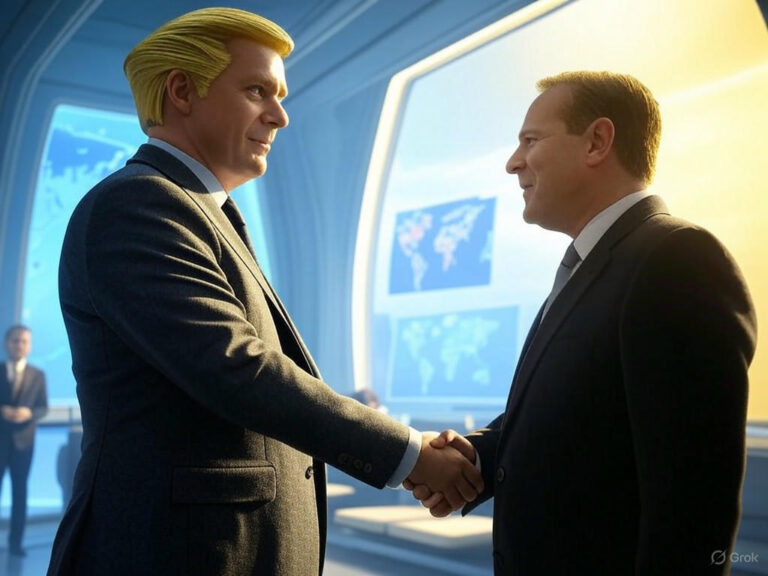
Trump tariffs on foreign movies represent a dramatic shift in U.S. trade policy, targeting the influx of international films to shield Hollywood from what President Donald Trump calls a “very fast death.” With a 100% tariff imposed on movies made outside the United States, this measure seeks to revitalize the American film industry while countering what the administration views as foreign influence and propaganda. It’s a move that’s stirring intense debates on everything from economic protectionism to cultural diversity, making us wonder: Could this be the lifeline Hollywood needs, or a step toward isolation?
Understanding Hollywood’s Challenges Amid Trump Tariffs
For years, Hollywood has reigned as the global king of cinema, exporting American stories that shape worldwide culture. But today, rising competition from powerhouses like China’s state-supported studios and India’s Bollywood is chipping away at that dominance. Have you noticed how foreign films are increasingly filling theaters and streaming queues? Trump tariffs aim to address this by framing unfair trade practices and subtle foreign messaging as threats to both the economy and national security.
This isn’t just about box office numbers; it’s about preserving an industry that’s deeply woven into American identity. Supporters argue that these tariffs could help level the playing field, encouraging more investment in domestic storytelling and creativity.
The Core Rationale for Trump Tariffs on Foreign Films
- One key driver is the belief that foreign movies often carry underlying messages that undermine U.S. interests, acting as a form of propaganda in disguise.
- By making imported films twice as expensive, Trump tariffs could give U.S. studios a much-needed edge, potentially spurring job growth and innovation in Hollywood.
- Negotiations with major exporters like China are already underway, with the administration pushing for fairer practices that could redefine global film trade dynamics.
Think about it: If foreign films become prohibitively costly, American audiences might rediscover the charm of homegrown hits. This approach draws on historical trade tactics, but with a modern twist tailored to the entertainment world.
How Trump Tariffs Are Reshaping the Film Market
At the heart of these Trump tariffs is a straightforward mechanism: a 100% levy that effectively doubles the price of distributing foreign films in the U.S. Picture this scenario—your favorite international blockbuster suddenly costs theaters twice as much to screen, making it harder for streaming services like Netflix to license them affordably. President Trump’s strategy, announced during a flight on Air Force One, is to pressure foreign producers into better trade deals or limit their access to American viewers.
This policy isn’t operating in a vacuum; it’s part of a broader push for U.S. economic sovereignty. While it might sound aggressive, proponents see it as a necessary counter to years of unbalanced trade.
Comparing Trump Tariffs to Historical Trade Measures
To put this in context, let’s compare it to past efforts like the Smoot-Hawley Tariff Act of 1930. That policy aimed to protect American jobs during the Great Depression but ended up fueling global retaliation and worsening the economy.
| Policy | Year | Industry Affected | Main Goal | Outcome |
|---|---|---|---|---|
| Smoot-Hawley Tariff Act | 1930 | Agriculture and Manufacturing | Protect domestic jobs amid economic crisis | Triggered international trade wars and deepened the Depression |
| Trump Tariffs on Foreign Movies | 2025 | Film and Entertainment | Shield Hollywood from foreign influence and boost U.S. production | Early stages; potential for renegotiated deals or cultural shifts |
Unlike Smoot-Hawley, which historians often criticize, Trump tariffs might adapt to today’s interconnected world, leveraging diplomacy for better outcomes. It’s a reminder that while history offers lessons, the film industry’s unique role in culture could lead to a different story.
Industry Impact: Who Wins and Loses from Trump Tariffs
The ripple effects of Trump tariffs are already being felt across Hollywood, with potential winners and losers emerging. On one hand, this policy could inject new energy into American filmmaking; on the other, it risks narrowing the scope of what’s available to viewers.
Potential Upsides for U.S. Studios Under Trump Tariffs
- Fewer foreign films competing could mean a surge in box office revenue for domestic releases, giving indie filmmakers a real shot at success.
- Mid-sized studios might thrive as audiences turn to local stories, creating more jobs in areas like scriptwriting and production design.
- Theaters could pivot to promoting American narratives, fostering a renaissance in creative industries and even inspiring the next generation of filmmakers.
Imagine a world where your local cinema highlights more U.S.-made gems—could this be the boost Hollywood needs to innovate and reclaim its global spotlight?
The Downsides and Risks of Implementing Trump Tariffs
- One major concern is that viewers might face a reduced selection of films, limiting exposure to diverse cultures and stories that enrich our perspectives.
- If other countries retaliate with their own tariffs on American exports, Hollywood’s international earnings could plummet, affecting stars and studios alike.
- Rising costs for theaters and streamers might lead to higher ticket prices or a reliance on reruns, potentially alienating audiences who crave variety.
- Additionally, platforms like Hulu or Disney+ could struggle with licensing, forcing them to scale back global content and impacting user satisfaction.
Experts warn that while short-term protection might seem appealing, it could stifle creativity over time. For instance, a recent analysis suggests that isolated markets often see less innovation, as seen in other creative fields during past trade disputes.
Expert Insights on the Era of Trump Tariffs
Industry voices are divided, with some comparing this to the music industry’s digital shift in the 2000s, where initial disruptions led to new business models. A study from a leading media analyst highlights how Trump tariffs might accelerate changes in content distribution, potentially opening doors for emerging American talent.
But others caution against the risks of cultural isolation. What do you think—could these tariffs spark a creative revival, or might they leave Hollywood playing it safe?
National Security Angles of Trump Tariffs
Beyond the economics, Trump tariffs are pitched as a defense against foreign influence, with the administration arguing that some films serve as “soft power” tools for rival nations. This framing raises questions about cultural sovereignty: How much foreign content should shape American narratives?
- The policy aims to protect U.S. values by prioritizing domestic voices, but critics fear it could censor global ideas and hinder artistic freedom.
- For example, if a film’s subtle themes are seen as conflicting with American interests, it might never reach U.S. screens, limiting the marketplace of ideas.
In a hypothetical scenario, think of how this could affect documentaries or indie films that offer fresh perspectives—it’s a delicate balance between security and openness.
Broader Global Trade Effects from Trump Tariffs
These Trump tariffs aren’t isolated; they’re part of a larger strategy to renegotiate trade deals across sectors like tech and agriculture. By targeting films, the U.S. is signaling a hardline approach that could lead to reciprocal concessions or escalate tensions.
For audiences, this might mean more opportunities for American creators on the global stage, but only if diplomacy succeeds. Here’s a tip: Keep an eye on ongoing talks, as they could reshape how we consume entertainment worldwide.
Final Thoughts and Your Take on Trump Tariffs
As we wrap up, it’s clear that Trump tariffs on foreign movies are more than just a policy—they’re a catalyst for change in Hollywood’s future. Whether this protects the industry or invites backlash, one thing’s for sure: The coming years will test the balance between protectionism and global collaboration. If you’re passionate about films, consider sharing your views in the comments below or exploring how these shifts might affect your favorite genres.
What are your thoughts on this? Do you see Trump tariffs as a necessary shield or a potential barrier? Feel free to dive deeper into related topics on our site, and thanks for reading—your engagement helps us keep the conversation going.
References
- Trump’s announcement on tariffs. Source: YouTube video by official channel. View here.
- Impact on tech and trade. Source: Aldomedia Blog. Read more.
- Analysis of trade policies. Source: Holtz Communications. Article link.
- Journalism insights. Source: Writers and Editors. Explore.
- Related podcast discussions. Source: Teach Traffic. Podcast category.
- Data analysis resources. Source: Kaggle code repository. Code example.
Trump tariffs, Hollywood protection, foreign movies, U.S. film industry, trade policy, national security threats, American cinema, tariff impacts, cultural sovereignty, global film trade
About the Author