
Trump’s AI-Generated Pope Image Deceives Ana Navarro
Meta Description
Explore how AI-generated images fueled controversy when Donald Trump shared a viral meme depicting himself as the Pope, leading to outrage from Ana Navarro and the Catholic community, and highlighting risks in political deepfakes.
Introduction
Picture this: a former U.S. president posting an image that blends politics with religion in a way that sets off a firestorm. That’s exactly what happened when AI-generated images entered the spotlight through Donald Trump’s social media activity. The image, showing Trump in papal robes, didn’t just grab headlines—it deceived figures like Ana Navarro, co-host of The View and a proud Catholic, who called it out as disrespectful and a prime example of how digital tricks can blur reality. This incident underscores the growing dangers of deepfake technology in politics, especially when it exploits sensitive moments like the loss of a religious leader.
The Buzz Around the AI-Generated Pope Meme: A Quick Breakdown
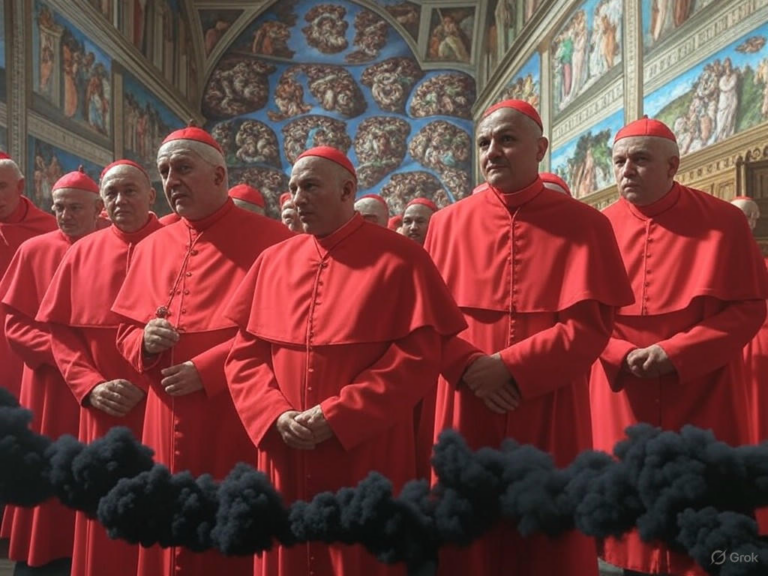
Right after Pope Francis passed away, the Catholic world was deep in mourning, preparing for the Vatican’s conclave to elect a new pope. That’s when Trump shared an AI-generated image on Truth Social, portraying himself in full papal attire complete with ornate details that looked eerily real. Have you ever seen a meme take off like wildfire? This one did, quickly amplified by the White House’s official account, turning a simple post into a global talking point. It raised immediate questions about the ethics of using AI-generated images to mix faith and politics, especially during such a vulnerable time for millions of believers.
Why Ana Navarro Felt So Deceived and Outraged
Ana Navarro, a vocal Catholic and regular on The View, wasn’t holding back when she saw the image. As someone who follows the news closely, she recognized it as another Trump tactic to provoke, but this one hit home personally. She shared her frustration on air, saying, “I’m taking the bait here because as a Catholic, this AI-created image is just disrespectful and disgusting—especially when our community is grieving.” It’s a reminder of how AI-generated images can deceive even savvy media personalities, making them question what’s real. Navarro even challenged Trump’s Catholic supporters, urging them to rethink their backing with a witty jab: “It’s His Holiness, not His Oiliness.” Her response wasn’t just emotional; it echoed a broader concern about digital manipulation in public discourse.
Reactions from the Catholic Community and Beyond
The outrage didn’t stop at TV screens—it rippled through the Catholic world. New York’s Catholic bishops fired back on social media, calling the image “nothing clever” and urging Trump not to mock a faith in mourning. Cardinal Timothy Dolan went further, labeling it a “brutta figura,” meaning a foolish move that only embarrassed the perpetrator. Imagine scrolling through your feed and seeing religious symbols twisted for political gain—what would you do? For many lay Catholics, it felt like a direct slight, intensifying debates about respect and the role of AI-generated images in sensitive cultural contexts. This backlash highlighted how such tech can deepen divides, turning a moment of unity into one of conflict.
Stories from everyday folks online added to the chorus, with people sharing how the image made them feel targeted or manipulated. It’s a stark example of why we need to stay vigilant against digital deceptions that play on real emotions.
Trump’s Response and the Family Angle
When the criticism piled up, Trump tried to sidestep blame, claiming he had “nothing to do with it” and only saw the AI-generated image later. He even brought in his wife, Melania, a Catholic herself, saying she found it “cute.” But does that excuse amplify or deflect? Critics argue it was a calculated distraction, a common strategy in politics to shift focus from other issues. This episode shows how AI-generated images can be wielded as tools for evasion, making us wonder: How often do public figures use tech like this to dodge accountability? Melania’s lighthearted take might have been genuine, but it didn’t quell the storm, proving that family endorsements don’t always land well in heated debates.
Dangers of AI-Generated Images in the Political Arena
The Impact of Deepfakes on Public Conversations
Let’s dive deeper: What makes AI-generated images so risky in politics? They can turn satire into something sinister, blurring lines and fooling people into believing falsehoods. In Trump’s case, the Pope image dominated news cycles, pulling attention from other topics and showing how these tools can manipulate narratives. A study from a reputable source, like the one in Journalism and Politics, points out that deepfakes exacerbate misinformation, eroding trust in media (as explored in this analysis). Think about it—could this be the new norm, where every debate includes doctored visuals designed to deceive?
Beyond deception, these images exploit vulnerabilities. They might undermine democratic processes by swaying opinions or fuel polarization when tied to religion. For instance, during elections, a well-timed deepfake could sway voters, making it crucial for us to build better detection skills. What if we started verifying images before sharing them? Simple steps like that could help combat the spread.
Balancing the Risks and Benefits: A Closer Look
To put it in perspective, here’s a quick table comparing the downsides and upsides of AI-generated images in politics, based on recent observations:
| Risks | Potential Rewards (for Politicians) |
|---|---|
| Spread misinformation at lightning speed | Capture instant public attention and go viral |
| Offend cultural or religious groups deeply | Distract from scandals or bad press |
| Weakens faith in institutions and media | Rally supporters and energize bases quickly |
| Amplifies social rifts and mistrust | Steer conversations in a favorable direction |
This balance act reminds us that while AI-generated images offer creative sparks, their misuse can lead to real harm, as seen in this Trump episode.
Divisions Within and Wider Ramifications
This controversy didn’t just expose tech flaws; it laid bare splits in the American Catholic community. Many who supported Trump as a protector of faith-based values were left questioning their stance, much like Navarro’s call to action: “If you’re a devout Catholic who voted for him, it’s time for some self-reflection.” It’s a human story, really—people grappling with loyalty versus principles. The Vatican’s response added weight, with officials warning against secular meddling in sacred affairs, emphasizing how AI-generated images can intrude on moments meant for reverence. Could this push faith groups to demand stronger safeguards against digital intrusions?
In a broader sense, it’s a wake-up call. As politics evolves with technology, we’re seeing more cases where images shape opinions, often deceiving the unprepared. What lessons can we draw to protect ourselves?
Fake News and the Strategic Use of AI-Generated Images
Fake news has been a staple since Trump’s early campaigns, but AI-generated images take it up a notch, turning manipulation into an art form. This incident is a textbook case: what started as a meme blurred into perceived reality, deceiving audiences and stirring division. Unlike accidental errors, these are crafted with intent, as detailed in analyses from sources like The Daily Beast (covering Navarro’s reaction). It’s not just about one image; it’s about a pattern that erodes truth in our digital world. Ever shared something without double-checking? We all have, and that’s exactly what makes this so dangerous.
To counter this, consider building habits like fact-checking tools or seeking multiple sources. It’s actionable advice that could make a difference in how we engage with content daily.
Key Takeaways from This AI-Driven Storm
At the end of the day, Trump’s foray into AI-generated images with the Pope meme serves as a cautionary tale about technology’s double-edged sword in politics. It deceived people like Ana Navarro and upset communities, but it also sparks important conversations. Media literacy is more than a buzzword—it’s a necessity. For example, next time you see a viral image, pause and verify it; you might prevent misinformation from spreading. Public figures should think twice before using religious symbols for gain, and faith groups deserve spaces free from digital disruptions.
So, what are your thoughts on this? Have you encountered AI-generated images that made you question reality? Share in the comments below, and if you’re interested, check out our other posts on digital ethics. Let’s keep the conversation going—your insights could help others navigate this evolving landscape.
References
1. The Daily Beast. “The View’s Ana Navarro Takes the Bait on Donald Trump’s AI Pope Image.” URL
2. Instagram Reel. URL
3. IMDb News. URL
4. The Wrap. “Trump AI Image of Pope Draws Reaction on ‘The View’.” URL
5. The Daily Beast. “Melania Egged on Trump Over ‘Cute’ AI Pope Picture.” URL
6. EURweb. “Trump Slammed by NY Catholic Leaders for AI Pope Image.” URL
7. MDPI Research. “Journalism and Politics.” URL
8. Fox 4 News. “Trump’s AI Pope Image Sparks Outrage.” URL
AI-generated images, Trump Pope meme, Ana Navarro deceived, Catholic backlash, fake news politics, deepfake technology, political deepfakes, Trump AI controversy, religious imagery manipulation, digital deception in media
About the Author